Agency News
August 13, 2026 · 9 min read
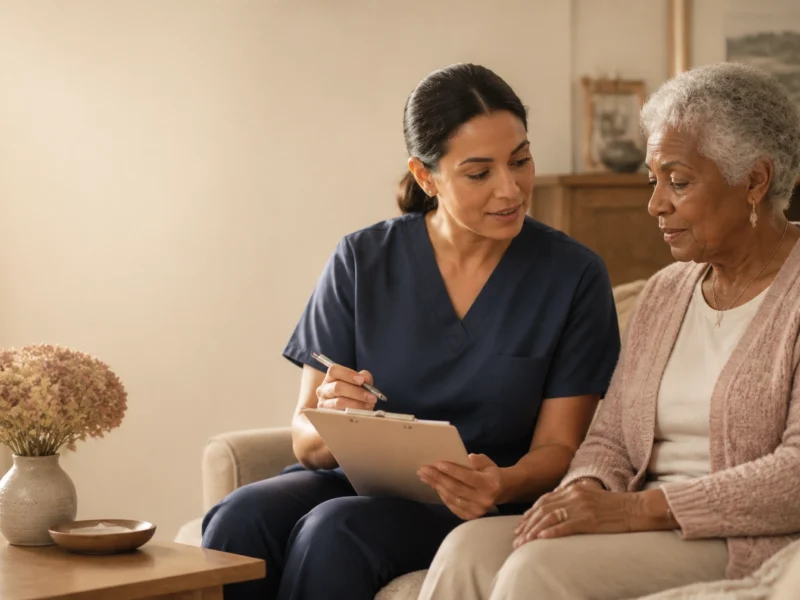
A wound can change daily life quickly. Simple routines may become difficult. Walking, bathing, sleeping, and managing medications can all feel more complicated.
For seniors recovering after surgery or living with diabetes, circulation problems, pressure injuries, or other health conditions, professional wound care can provide safety and reassurance.
Abia Home Health provides RN-led skilled nursing throughout Southeast Wisconsin. Our nurses bring physician-coordinated care into the home, where seniors can heal with comfort, dignity, and familiar support.
This guide is for families, hospitals, healthcare providers, and discharge planners in Waukesha, Milwaukee, Racine, Jefferson, Ozaukee, and Washington counties.
Not every scrape requires a skilled nurse. But open, infected, draining, surgical, or complex wounds may need clinical assessment and treatment that family caregivers should not manage alone.
Wisconsin’s ForwardHealth wound-care guidance describes skilled wound care as hands-on nursing care. This may include dressing changes for ulcers, burns, pressure sores, open surgical sites, fistulas, and tube sites.
A nurse may be needed when a wound:
Your physician must order home health services. The care plan then identifies the type of wound, the treatment required, the visit schedule, and the goals for healing.
The Wisconsin Department of Health Services explains more about home health agency requirements and services.

The first visit begins with assessment. Your nurse reviews the wound and the person as a whole.
This may include:
This information gives the care team a clear starting point. It also creates a way to track progress over time.
Your nurse may communicate with the physician, surgeon, wound clinic, hospital discharge team, or family caregiver. At Abia, RN-led care coordination keeps important updates moving between the people involved in treatment.
Comfort first.
Dressing changes can be uncomfortable or stressful for seniors. A skilled nurse uses the technique and supplies ordered for the wound while protecting fragile skin.
During a visit, the nurse may:
Your nurse also watches for changes that may require medical attention. A wound that is larger, more painful, newly swollen, or producing different drainage deserves prompt communication with the care team.
Families should not change a complex dressing or apply unapproved products unless the nurse or physician has provided clear instructions. Products that seem harmless may irritate tissue, damage fragile skin, or interfere with treatment.
Support without guesswork.
Family caregivers often want to help but may feel unsure about what is safe. Skilled nursing provides practical education that fits the home environment.
Your nurse may teach family members how to:
Teaching is not about turning a family member into a nurse. It is about creating confidence between visits and making sure everyone understands the plan.
Abia also provides medication management and teaching, which can be especially helpful when antibiotics, pain medicine, diabetes medications, or other prescriptions are part of recovery.

Act early.
Older adults may not always develop obvious symptoms when a wound becomes infected or begins to worsen. Families should contact the home health nurse or physician promptly about changes such as:
Call 911 for an emergency, such as uncontrolled bleeding, severe breathing difficulty, chest pain, sudden neurological symptoms, or a serious fall.
Your nurse can help determine which concerns require a routine update, an urgent physician call, or emergency assistance. Early communication may prevent a small change from becoming a larger setback.
Wound care is more than what happens at the bedside.
A senior’s ability to heal may be affected by nutrition, blood sugar, circulation, medications, pressure, mobility, and overall strength. Your nurse considers these factors while carrying out the physician-directed plan.
Care may include education about:
When appropriate, the home health team may coordinate with therapy providers or other clinicians. The goal is not only to close the wound. It is to help the senior remain as safe, independent, and comfortable as possible.
Different roles. One plan.
Home health aides can support bathing, grooming, dressing, mobility, transfers, light meal preparation, and companionship during care visits.
At Abia Home Health, aide services are available only for patients who are already receiving skilled nursing under an RN-developed, physician-ordered plan of care. The aide works under the direct supervision of an Abia RN and reports changes that may affect the patient.
This distinction matters. A home health aide does not replace skilled nursing assessment, wound evaluation, or physician coordination.
Your family may benefit from both services when a wound makes bathing, dressing, or mobility more difficult. The RN provides clinical oversight. The aide supports personal care and daily comfort.

Home is familiar.
Receiving wound care at home can reduce unnecessary travel and help seniors maintain a sense of routine. A nurse can see the real environment, identify safety concerns, and teach care strategies that work in the patient’s own space.
Abia’s approach is personal, unhurried, and RN-led. Our local Wisconsin nurses coordinate with physicians and families rather than relying on a cookie-cutter plan.
We offer:
Learn more about Abia Home Health services and our RN-led, family-rooted approach.
For families.
If your loved one is returning home with a wound, ask the hospital or physician whether skilled home health nursing is appropriate. Share the discharge instructions, medication list, wound orders, and any concerns about mobility or caregiving.
For hospitals and providers.
Abia responds to referrals the same day during business hours. We serve Waukesha, Milwaukee, Racine, Jefferson, Ozaukee, and Washington counties.
Use the secure referral information page or contact the team directly:
Your loved one deserves care that protects healing and preserves dignity. With skilled nursing at home, families can have clinical guidance, physician communication, and compassionate support close at hand.
This article is for general education and does not replace medical advice. Always follow the wound-care instructions provided by the patient’s physician or licensed healthcare team.