Agency News
October 12, 2026 · 11 min read
October brings changing conditions to Southeast Wisconsin. Earlier sunsets. Wet leaves. Colder floors. More clutter near entryways. Soon, snow and ice will add another layer of risk.
For seniors aging in place, fall prevention should begin before a fall happens.
Falls are a leading reason older adults lose mobility, confidence, and independence. One fall may cause a fracture or hospitalization. It may also create a lasting fear of walking, bathing, or using the stairs alone.
Your safety plan should include more than removing a loose rug. It should address the home environment, medications, vision, mobility, personal care, and communication with the healthcare team.
This guidance is for:
A fall can change daily life in seconds.
After a fall, a senior may experience pain, weakness, reduced mobility, or a new need for assistance. Even without a serious injury, the fear of falling again can lead to less activity. Less activity may contribute to weaker muscles and poorer balance.
Your independence deserves protection before these changes begin.
The CDC’s STEADI fall-prevention initiative recommends screening, assessing, and addressing multiple risk factors. These include medication effects, vision concerns, balance, blood pressure changes, footwear, and hazards inside the home.
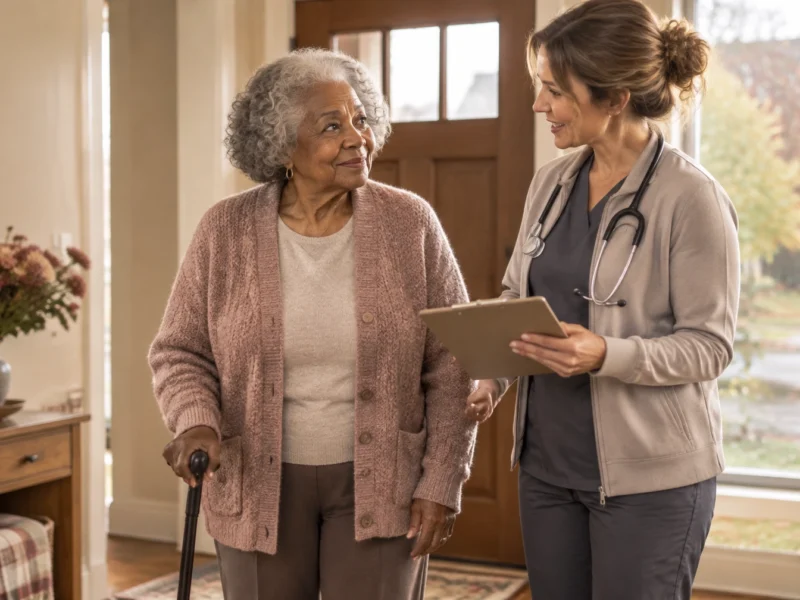
RN-led skilled nursing brings this approach into the patient’s actual living environment. A nurse can observe how someone stands from a chair, walks through a hallway, enters the bathroom, or manages a walker. These everyday details may not be visible during a short office visit.
Your fall-risk assessment should happen after a fall, near-fall, hospitalization, surgery, medication change, or noticeable decline in strength.
An RN may review:
Abia Home Health’s RN-led team coordinates findings with the physician and other members of the care team. The goal is not to restrict a senior’s life. The goal is to make daily movement safer and more confident.
Your home safety checklist should follow the way your loved one actually moves through the home.
Wet shoes, umbrellas, leaves, and packages can quickly create hazards during October and the months ahead.
Do not require a senior to carry items that block their view of the ground. Ask for help with groceries, laundry, or packages when conditions are slippery.
Furniture placement matters. A narrow path between a chair and table can be difficult for someone using a walker.
Your nighttime routine deserves special attention. A senior who wakes suddenly to use the bathroom may feel dizzy or disoriented. Turning on a light and sitting at the edge of the bed before standing can help.
Your stair safety should never depend on memory or perfect balance.
If stairs are no longer safe, discuss alternatives with the healthcare team. A physical or occupational therapy professional may recommend safer strategies or equipment.
The bathroom combines water, hard surfaces, bending, and transfers. It is one of the most important rooms to review.
Your bathroom assistance may be especially important after surgery, illness, or a period of weakness.

A clean home can still contain hidden fall risks.
Some medications may cause drowsiness, dizziness, confusion, blurred vision, or low blood pressure. Risk may increase when a senior takes multiple prescriptions, over-the-counter medicines, or supplements.
Your medication list should be reviewed after a hospital stay, new prescription, dosage change, or fall.
An RN may help with:
Never stop or change a medication without guidance from the prescribing provider. Report new symptoms promptly, especially repeated dizziness or near-falls.
Learn more through Abia’s resource on medication management for seniors.
Your vision care is part of fall prevention.
Cataracts, glaucoma, macular degeneration, and other vision changes can affect depth perception, contrast, and the ability to see obstacles. Outdated glasses or difficulty adjusting to bifocals may make stairs and curbs more challenging.
Encourage regular eye examinations. Combine appropriate vision care with brighter lighting, reduced glare, clear pathways, and visible stair edges.

Your mobility plan should encourage safe movement without rushing.
Skilled nursing may reinforce the care plan, monitor changes in strength and balance, teach safe transfer techniques, and coordinate with therapy providers when ordered. A nurse can also identify when a cane or walker appears incorrectly fitted or inconsistently used.
A home health aide can support daily activities that become risky when a senior is weak or unsteady, including:
A home health aide Milwaukee families trust does not replace skilled nursing. The services work together. The RN provides clinical oversight and care coordination. The aide provides hands-on assistance according to the plan of care.
Abia’s local Wisconsin nurses take an unhurried, personal approach. They treat patients like family while respecting privacy, preferences, and dignity. Access to care is limited to authorized personnel, and patient information must remain protected. Professional boundaries and restricted access are essential parts of a safe home healthcare relationship.

Your first response should be calm and safety-focused.
Do not immediately lift a fallen person unless there is an immediate danger, such as fire or a hazardous spill. Ask whether they are hurt. Check for severe pain, bleeding, confusion, head injury, loss of consciousness, difficulty breathing, or inability to move.
Call 911 for an emergency. If there is no immediate emergency, contact the healthcare provider and notify the care team. A serious injury is not always obvious, particularly when a senior takes blood thinners or has cognitive impairment.
After the event, document:
Your next step should be a new fall-risk review. The home, medications, vision, mobility, and care plan may all need reassessment.
Risk often increases during the first days after hospital discharge. A senior may be weaker, adjusting to new medications, managing pain, or learning to use a new mobility aid.
Abia Home Health offers same-day admits when ordered services and eligibility requirements are in place. Our RN-led care coordination connects the patient, family, physician, and care team without unnecessary delay.
We serve Southeast Wisconsin, including:
Families seeking skilled nursing Waukesha, home health care Milwaukee, or elderly home care Milwaukee support can learn more about Abia’s skilled home health services.
For discharge planners and healthcare providers, patient referrals can help begin the conversation about safe care at home.
Fall prevention is not about taking independence away. It is about protecting the ability to move, recover, and participate in daily life.
Your safer home may begin with better lighting, a medication review, or assistance in the bathroom. It may also require ongoing RN oversight and coordinated aide support.
Abia Home Health LLC provides compassionate, RN-led skilled home health services across Southeast Wisconsin. Our local nurses offer same-day admits when appropriate, physician coordination, and a personal, unhurried approach.
Contact Abia Home Health to discuss a fall-prevention plan for someone you love.