Agency News
August 27, 2026 · 10 min read
Diabetes management does not stop when a senior leaves the doctor’s office. It continues at the kitchen table, beside the medication organizer, and during everyday meals and routines.
For older adults, diabetes can become more difficult to manage when vision, memory, mobility, or dexterity changes. A complicated medication schedule may lead to missed doses. A small foot wound may go unnoticed. Blood sugar changes may be mistaken for ordinary tiredness or confusion.
Your care should make daily life safer: not more overwhelming.
Abia Home Health LLC provides RN-led skilled nursing throughout Southeast Wisconsin. Our local Wisconsin nurses help seniors and families build practical diabetes routines while coordinating closely with physicians and other members of the care team.
Diabetes care at home often includes several connected tasks:
Each task may seem manageable on its own. Together, they can feel like a full-time responsibility.
A skilled nurse brings structure to the process. During a home visit, the nurse can observe how care is actually being completed, identify barriers, and teach the patient and family how to make the routine safer.
This is especially valuable for families searching for home health care Milwaukee, skilled nursing Waukesha, or elderly home care Milwaukee for a loved one who wants to remain at home.
Blood glucose monitoring is not simply about obtaining a number. The patient must know when to check, how to use the meter or continuous glucose monitor, how to record results, and what action to take when readings are outside the prescribed range.
Your RN can provide hands-on education about:
Blood sugar goals are individualized. A healthy older adult with few medical concerns may have different targets from a senior living with kidney disease, heart disease, memory loss, or limited mobility. The goal is not to force every patient into the same number.
The goal is safe, consistent control based on the care plan created by the patient’s physician.
The CDC’s diabetes guidance also emphasizes daily self-management, healthy eating, physical activity, medication adherence, and regular communication with healthcare professionals.

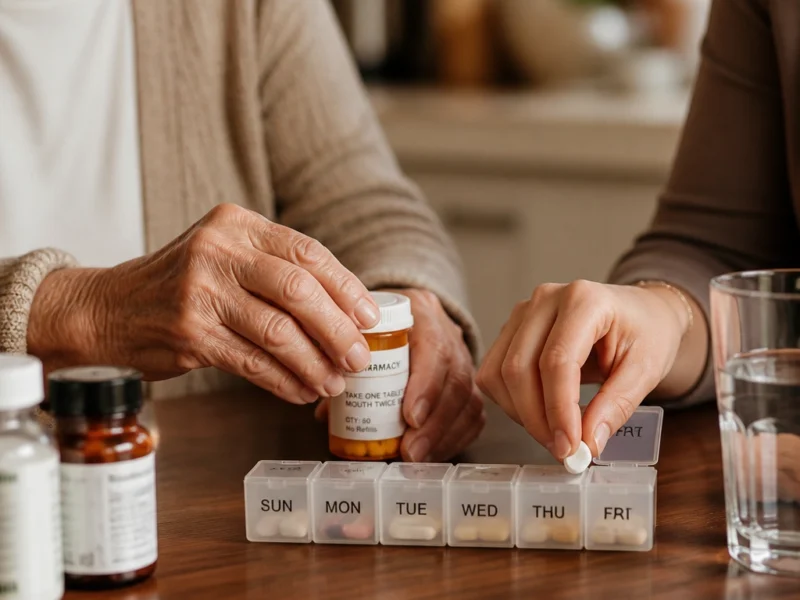
Medication errors are a common concern for older adults with diabetes. A senior may take several prescriptions for blood pressure, cholesterol, pain, heart disease, or other chronic conditions in addition to diabetes medications.
Your medication routine should be organized, understandable, and reviewed regularly.
Abia’s registered nurses can support medication management for seniors by:
A nurse does not independently change insulin or prescription doses. Medication adjustments must come from the prescribing provider. However, skilled nursing can identify patterns: such as repeated low readings, missed doses, poor appetite, or confusion: that the physician needs to know about.
Low blood sugar, or hypoglycemia, may cause shakiness, sweating, hunger, dizziness, weakness, confusion, unusual behavior, or difficulty speaking. In older adults, a low may appear as a fall, sudden confusion, or extreme fatigue.
If the patient is awake and able to swallow, the care plan may direct them to take a fast-acting carbohydrate, such as glucose tablets or a measured amount of juice, and recheck their blood sugar after about 15 minutes. The patient and family should follow the instructions provided by their healthcare team.
Do not give food or drink to someone who is unconscious, having a seizure, or unable to swallow. Call 911.
Repeated or difficult-to-correct low readings require prompt communication with the physician or home health nurse. Severe symptoms require emergency care.
High blood sugar may cause increased thirst, frequent urination, blurred vision, weakness, or dehydration. Some patients may have few symptoms even when readings remain elevated.
Your nurse can help the family track when high readings occur and whether they relate to meals, illness, stress, missed medication, or changes in activity. Persistent or very high readings should be reported according to the patient’s plan of care. Confusion, vomiting, difficulty breathing, severe weakness, or other urgent symptoms require immediate medical attention.
Diabetes-friendly eating does not need to mean giving up every favorite food. Seniors often do better with realistic, repeatable habits rather than strict rules that are difficult to maintain.
Your nurse may reinforce guidance from the physician or dietitian, including:
Nutrition education should respect culture, preferences, budget, and the patient’s other medical conditions. A family’s usual foods can often be adapted rather than eliminated.
When a senior has poor appetite, swallowing difficulty, weight loss, or kidney disease, the care team should be informed. These issues may affect diabetes management and medication safety.
Diabetes can affect circulation and sensation in the feet. A small blister, cut, callus, or pressure spot may become serious if it is not noticed and treated.
Your family can help by encouraging a daily foot check. Look for:
Do not cut corns or calluses at home unless directed by a qualified healthcare professional. Do not ignore a wound because it does not hurt. Reduced sensation can hide an injury.
Abia’s nurses can assess skin concerns, reinforce foot-care education, and coordinate with the physician when further evaluation is needed. For patients with diabetes-related wounds, in-home wound care in Wisconsin may be an important part of the broader plan.

Family involvement can make diabetes care more successful. It can also create stress when everyone is unsure who is responsible for medications, appointments, meals, or emergency decisions.
Your family can help by:
Secure access matters. Medication, glucose records, and health information should be handled only by the patient, authorized family members, and approved healthcare professionals. Visitors or unapproved caregivers should not administer insulin, access prescription supplies, or make changes to the care plan.
This protects the senior’s safety and privacy while keeping responsibility clear.
Diabetes rarely exists by itself. A senior may also be recovering from an infection, managing heart failure, living with chronic kidney disease, or receiving post-surgery care at home.
These overlapping concerns can affect blood sugar, appetite, mobility, and medication needs.
RN-led care coordination helps connect the home with the physician’s office. Abia nurses can communicate relevant observations, review the patient’s progress, and reinforce the provider’s instructions. This creates a more complete picture than a single office visit may provide.
Our skilled home health services are designed to support safe recovery and chronic disease management in the home.
Home health may be appropriate when a senior has a physician-identified skilled need and requires support to recover or manage a condition safely at home. Medicare and other insurers may have specific requirements, including homebound status and a qualifying need for skilled services.
Ask the doctor about home health if your loved one:
Hospitals, healthcare providers, discharge planners, and families can begin by discussing the need with the ordering physician. Abia Home Health also accepts referrals and offers same-day admits when clinically appropriate and properly authorized.
Abia Home Health serves Milwaukee, Waukesha, Racine, Jefferson, Ozaukee, and Washington counties. Our nurses understand the value of local, responsive care.
We do not rush through education or treat every patient as if the same plan will work for everyone. We listen. We explain. We repeat instructions when needed. We include the family without taking away the senior’s independence.
Your home should remain a place of comfort and dignity.
With the right support, diabetes management can become more organized, more understandable, and safer for the whole family. To learn more, contact Abia Home Health about RN-led skilled nursing in Southeast Wisconsin.
This article is for general education and does not replace medical advice. Diabetes targets, medications, nutrition recommendations, and emergency instructions should come from the patient’s physician or qualified healthcare team.